
What Is Low Vision? Understanding Vision Loss and Your Options
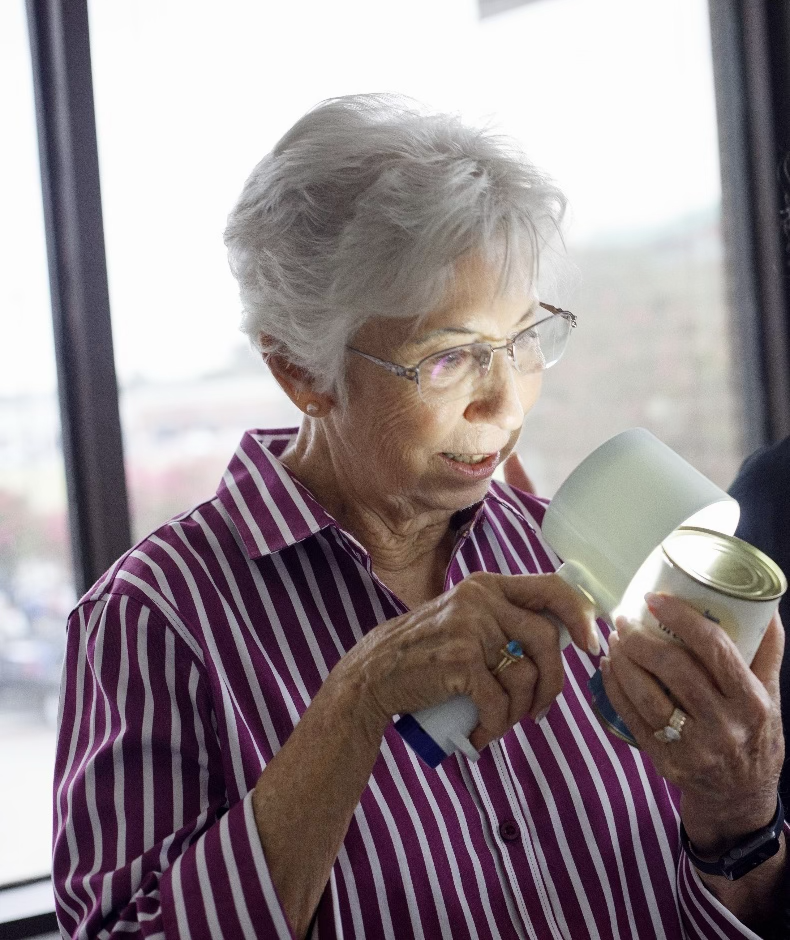
When people hear the term low vision, they may assume it means being completely blind or having very little sight. In reality, low vision can affect people in many different ways and at many different levels of vision.
Low vision generally refers to vision loss that cannot be fully corrected with regular eyeglasses, contact lenses, medication, or routine medical treatment and that makes everyday activities more difficult. A person with low vision may still have useful vision, but that vision may not be enough to comfortably read, recognize faces, drive, watch television, use a computer, or perform other activities that are important to daily life.
The good news is that having low vision does not necessarily mean giving up the activities you enjoy. A low vision optometrist can evaluate how you are using your vision and help identify strategies and devices that may allow you to make better use of the vision you have.
What Causes Low Vision?
Low vision can result from many different eye diseases and conditions. Some of the most common causes include:
Age-related macular degeneration
Glaucoma
Diabetic retinopathy
Retinal diseases
Cataracts
Optic nerve disorders
Inherited eye conditions
Eye injuries
Neurological conditions affecting vision
The type of vision loss can be very different from one person to another. Some people experience a loss of central vision, which can make reading and recognizing faces difficult. Others may experience peripheral vision loss, making it harder to notice objects around them or navigate unfamiliar environments.
Some people have difficulty seeing in dim lighting, while others may have reduced contrast sensitivity, glare problems, blurred vision, or distorted vision. Because everyone's vision loss is different, low vision care should be individualized.
How Is Low Vision Different from Needing Stronger Glasses?
One of the most common questions people ask is, "If I can't see well, don't I just need a stronger prescription?"
Sometimes a new prescription can make a significant difference. However, when an underlying eye condition has damaged the retina, optic nerve, or other structures involved in vision, stronger glasses may not fully correct the problem.
For example, a person with macular degeneration may have the correct glasses prescription but still have difficulty reading because the part of the retina responsible for detailed central vision has been affected. Similarly, someone with glaucoma may have good central vision but have difficulty seeing objects to the side because of peripheral visual field loss.
When standard glasses are no longer enough, a low vision evaluation may provide additional options.
What Does a Low Vision Optometrist Do?
A low vision optometrist specializes in helping people make the most of their remaining vision. A low vision evaluation is different from a routine eye examination. In addition to evaluating your vision and eye health, the doctor wants to understand how your vision affects your everyday life.
You may be asked questions such as:
What activities are most difficult for you?
Do you have trouble reading?
Can you recognize people's faces?
Are you having difficulty seeing television?
Is glare affecting your vision?
Are you having trouble using your phone or computer?
Do you have difficulty seeing in restaurants or stores?
Are there hobbies or activities you have stopped doing because of your vision?
The answers help your low vision optometrist develop recommendations based on your individual needs and goals. Depending on your situation, recommendations may include magnification, specialized optical devices, electronic magnification, improved lighting, contrast enhancement, or other adaptive strategies.
What Is Low Vision Rehabilitation?
Low vision rehabilitation is designed to help people continue performing everyday activities despite permanent or significant vision loss.
The goal is not necessarily to restore vision to what it was before the eye condition occurred. Instead, the goal is to help you use the vision you still have as effectively as possible.
For one person, that might mean finding a magnifier that makes reading a newspaper possible again. For another, it might mean learning how to use a smartphone's accessibility features. Someone else may benefit from better lighting, increased contrast, or strategies for navigating safely.
Low vision rehabilitation can also involve other professionals depending on a person's needs. These services may help with mobility, daily living activities, technology, home safety, and maintaining independence.
When Should You Consider a Low Vision Evaluation?
You may want to consider a low vision evaluation if you are consistently struggling with activities even though you are wearing your best glasses or contact lenses.
Signs that it may be time to ask about low vision care include:
You can no longer read comfortably.
You have difficulty recognizing faces.
You have stopped doing hobbies you enjoy.
You struggle to see food, medications, or household items.
You have difficulty using a phone or computer.
You have trouble seeing in low light.
You are increasingly dependent on family members for everyday tasks.
You feel that your vision is limiting your independence.
You do not necessarily have to be legally blind to benefit from low vision services. If vision loss is interfering with the things you want or need to do, it may be worthwhile to learn what options are available.
Living Well With Low Vision
A diagnosis of low vision can be frustrating and, at times, overwhelming. It can feel as though activities that once seemed simple have suddenly become difficult. But vision loss does not have to mean giving up your independence or the activities that are meaningful to you.
With the right evaluation, devices, techniques, and support, many people with low vision can continue reading, working, using technology, enjoying hobbies, spending time with family, and participating in their communities.
If your vision is making everyday activities more difficult, talk with your eye care professional about whether a low vision evaluation may be appropriate. A low vision optometrist can help you understand your options and develop a plan to make the most of the vision you have.
All Eye
Care Services

Keep
In Touch

Contact Info
Hours of Operation
- Monday 8:00am - 5:00pm
- Tuesday 8:00am - 5:00pm
- Wednesday 8:00am - 5:00pm
- Thursday 8:00am - 5:00pm
- Friday 8:00am - 5:00pm
- Saturday Closed
- Sunday Closed
© 2026 Beacon Vision Center, PLLC. All rights Reserved. Accessibility Statement - Privacy Policy - Sitemap
Powered by:
