
What Are the Stages of Low Vision?

Low vision is more than needing a stronger pair of glasses. It refers to vision loss that cannot be fully corrected with standard glasses, contact lenses, or medical treatment, and it can affect everyday activities like reading, recognizing faces, and moving around safely. At Beacon Vision Center, low vision care is a core focus for helping patients across Farmers Branch and the Dallas-Fort Worth area make the most of their functional vision.
Stage One - Mild Functional Changes
The earliest stage of low vision often starts with subtle difficulties. You may notice that reading takes more effort, glare feels more bothersome, or dim lighting makes everyday tasks harder. Some people also begin to struggle with contrast, which can make stairs, curbs, and printed text more difficult to see clearly. These early changes may seem minor, but they can still affect independence and confidence in daily life.
Stage Two - Moderate Vision Loss
As low vision progresses, daily tasks usually become more challenging. You may have trouble recognizing faces from a distance, reading standard print, seeing objects off to the side, or judging depth accurately. This stage is often when patients realize they need more than a routine eye exam - they need a low vision evaluation that looks at how their vision affects real life.
Stage Three - Severe Low Vision
Severe low vision can make many common activities difficult without support. Reading mail, using a computer, cooking, managing medications, or walking safely in unfamiliar places may require special strategies or devices. At this stage, patients often benefit from a personalized plan that may include magnifiers, telescopic lenses, electronic video magnifiers, and guidance on how to use remaining vision more effectively.
Common Signs to Watch For
If you are unsure whether vision changes may point to low vision, these symptoms are worth paying attention to:
• Blurred or hazy vision
• Difficulty reading or doing close-up tasks
• Trouble recognizing faces
• Reduced vision in low light
• Loss of peripheral vision
• Increased sensitivity to glare
• Trouble with depth perception or balance
Why a Low Vision Evaluation Is Essential
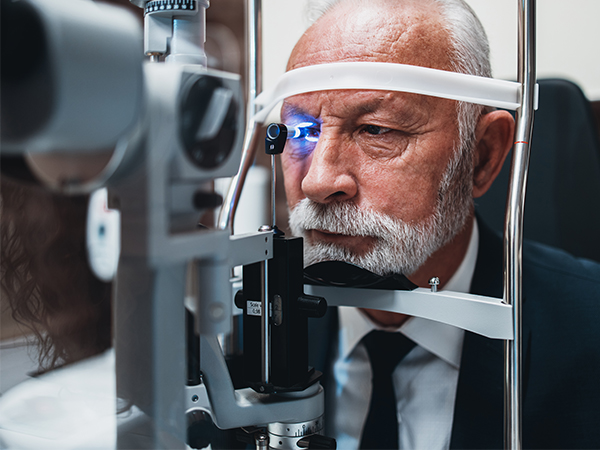
The stages of low vision are not just about how clearly you can see on a chart. They are also about how well you can function in your daily routine. A low vision evaluation helps us assess visual acuity, visual field, contrast sensitivity, and your personal goals so we can recommend solutions that truly fit your life. For patients in Dallas-Fort Worth area, this personalized approach can make a meaningful difference in maintaining independence.
Support at Every Stage at Beacon Vision Center
Low vision does not always follow the same path for every patient. It may be related to age-related macular degeneration, glaucoma, diabetic retinopathy, stroke, traumatic brain injury, or other conditions. What matters most is identifying where you are now and building a plan that supports your next step. Dr. Amy Burcham and our team are here to help patients in the Dallas-Fort Worth area understand their options and use their remaining vision more effectively.
Contact Beacon Vision Center to schedule a low vision evaluation and learn more about personalized options. Visit our office in Farmers Branch, Texas, or call (214) 420-5090 to book an appointment today.
All Eye
Care Services

Keep
In Touch

Contact Info
Hours of Operation
- Monday 8:00am - 5:00pm
- Tuesday 8:00am - 5:00pm
- Wednesday 8:00am - 5:00pm
- Thursday 8:00am - 5:00pm
- Friday 8:00am - 5:00pm
- Saturday Closed
- Sunday Closed
© 2025 Beacon Vision Center, PLLC. All rights Reserved. Accessibility Statement - Privacy Policy - Sitemap
Powered by:
