
Do I Need a Low Vision Optometrist? Signs It May Be Time for an Evaluation
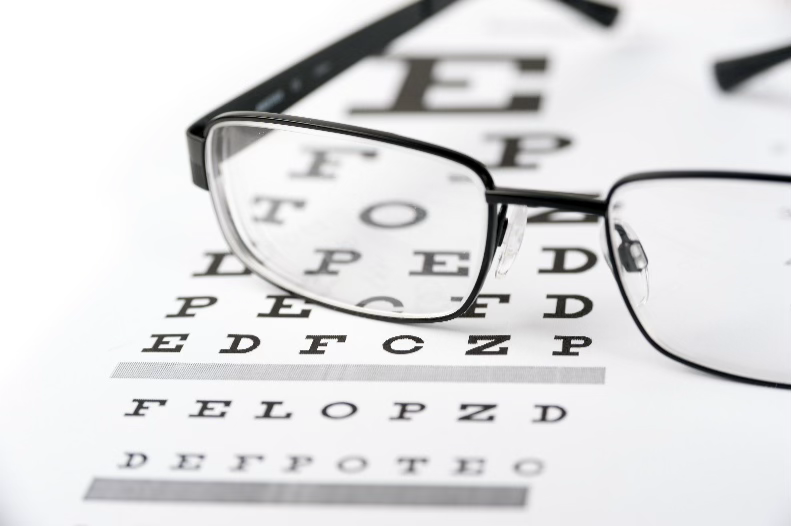
If you have an eye condition or have noticed that your vision is changing, you may find yourself asking an important question: "Do I need a low vision optometrist?"
Many people assume that low vision care is only for someone who is severely visually impaired or legally blind. That is not necessarily the case. A person may benefit from a low vision evaluation whenever vision loss begins interfering with important daily activities, even if they still have a significant amount of usable vision.
If your regular glasses or contact lenses are no longer enough to help you do the things you want or need to do, low vision care may offer additional options.
What Is a Low Vision Optometrist?
A low vision optometrist is an eye doctor who has specialized training in helping people who have permanent or significant vision loss.
A regular eye examination primarily focuses on your eye health, vision prescription, and diagnosis or management of eye disease. A low vision evaluation takes an additional step: It looks at how your vision is affecting your life. Your doctor wants to know what you are trying to accomplish and what is getting in the way.
For example, perhaps you can read a standard eye chart but cannot read the newspaper at home. Maybe you can see a person's face but cannot recognize them from across a room. You may be able to walk around your home comfortably but struggle to see in a dim restaurant or unfamiliar store.
These real-world challenges are an important part of low vision care.
Signs You May Benefit from a Low Vision Evaluation
There are several signs that it may be time to consider a low vision evaluation.
You Have Trouble Reading
Reading is one of the most common complaints among people with low vision. You may have difficulty reading books, newspapers, mail, medication labels, menus, recipes, or price tags.
If changing your glasses does not solve the problem, specialized magnification tools (magnifiers, telescopes, digital magnifiers, etc.) may be what is needed.
You Have Difficulty Recognizing Faces
Central vision loss can make it difficult to recognize family members, friends, coworkers, or other people.
This can be particularly frustrating because you may know someone is standing in front of you but still be unable to clearly see their facial features.
You Have Stopped Doing Favorite Activities
Perhaps you used to enjoy sewing, cooking, gardening, woodworking, playing cards, doing crafts, reading, or watching television.
If you have gradually stopped doing activities because your vision has become too difficult to manage, it may be time to explore low vision services.
You Have Trouble Using Technology
Smartphones, tablets, computers, and other devices can become challenging with vision loss.
However, many modern devices have accessibility features that can enlarge text, increase contrast, magnify the screen, provide spoken information, or otherwise make technology easier to use.
A low vision professional can help determine which tools and strategies may be useful.
You Have Difficulty Seeing in Certain Lighting
Some people with low vision struggle particularly in dim lighting. Others are very sensitive to glare.
You may notice that you can read comfortably in one room but struggle in another, or that bright sunlight makes it difficult to see.
Lighting recommendations and contrast strategies can sometimes make a significant difference.
You Are Becoming More Dependent on Others
If you increasingly rely on family members or friends to read mail, identify medications, prepare meals, navigate unfamiliar places, or complete other everyday tasks, a low vision evaluation may be worth considering.
The purpose of low vision care is to help you regain as much independence as possible.
What Happens During a Low Vision Evaluation?
A low vision evaluation typically begins with a conversation about your vision and your goals.
Your doctor may ask about the activities that are most important to you and the specific situations in which you struggle.
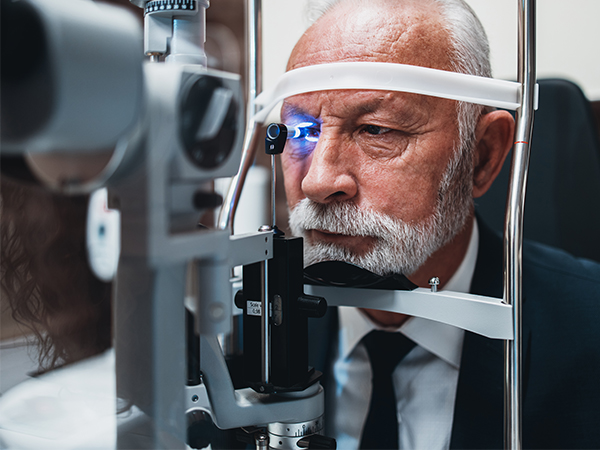
Testing may include evaluation of your distance and near vision, visual field, contrast sensitivity, and other aspects of visual function.
Your doctor may then demonstrate different options based on your needs. These could include magnifiers, specialized optical devices, electronic magnification, lighting adjustments, contrast enhancements, or other assistive technologies.
The recommendations are not one-size-fits-all. The best solution depends on your vision, your lifestyle, and the activities you want to continue doing.
Do I Have to Be Legally Blind?
You do not necessarily need to be legally blind to benefit from a low vision optometrist.
The more important question is whether your vision is interfering with your daily life.
If you have good vision in some situations but struggle significantly with reading, recognizing faces, navigating, working, using technology, or enjoying hobbies, a low vision evaluation may provide useful solutions.
Low Vision Care Is About What You Can Do
One of the most important ideas in low vision care is that the focus should not be only on what you cannot see. The goal is to determine what you can see and how that vision can be used more effectively.
Low vision rehabilitation can provide practical strategies for adapting to vision loss. It can help you find new ways to read, use technology, manage daily activities, and remain involved in the things that matter to you.
If you feel that vision loss is beginning to control what you can and cannot do, you do not necessarily have to simply accept those limitations.
Talk with a low vision optometrist about whether a low vision evaluation may be right for you. There may be solutions that can help you continue doing more of the things you enjoy.
All Eye
Care Services

Keep
In Touch

Contact Info
Hours of Operation
- Monday 8:00am - 5:00pm
- Tuesday 8:00am - 5:00pm
- Wednesday 8:00am - 5:00pm
- Thursday 8:00am - 5:00pm
- Friday 8:00am - 5:00pm
- Saturday Closed
- Sunday Closed
© 2026 Beacon Vision Center, PLLC. All rights Reserved. Accessibility Statement - Privacy Policy - Sitemap
Powered by:
